SEO

Should You Keep Your Old Website Live While Building a New One?

If you’re rebuilding your website, you may wonder whether to take the old one down while you work. Don’t. A site that disappears, or shows a “coming soon” page for weeks or months, costs you customers, leads and search visibility you worked hard to earn. This guide covers why the old site should stay up, …


Read More

What Happens to Old Page URLs When You Redesign a Site

A website redesign is exciting until you realize every page you spent years building links, traffic, and search rankings for might live at a brand-new address. If nobody plans for that, old URLs simply stop working, visitors hit dead ends, and search engines lose track of pages they used to rank. This guide walks through …

Read More

Signs Your Website Builder Is Quietly Limiting Growth

Drag-and-drop website builders like Wix and Squarespace are great at getting a business online fast, but the same walled-garden design that makes them easy also puts a ceiling on how far a site can grow. Most owners don’t notice the ceiling until they’re already bumping into it — a plugin they can’t install, a page …

Read More

How to Switch Website Builders Without Losing SEO Rankings

Rankings don’t live in your website builder — they live in your domain, your content, and the links pointing at your pages. That means you can move from one platform to another without tanking your traffic, but only if you treat the migration as an SEO project, not just a design refresh. This guide walks …

Read More

Why a Competitor With Fewer Reviews Can Outrank You

You have more reviews. You still don’t show up first. It’s one of the most common frustrations in local SEO, and it usually means an owner is watching one metric while Google is weighing a dozen others. This guide breaks down what actually drives Google’s local rankings, why review count is only one small piece …

Read More

How to Write Case Studies That Rank and Convert Clients

A great case study does two jobs at once: it earns organic visibility by matching what people actually search for, and it convinces a skeptical prospect that you can solve their exact problem. Most businesses only manage one of those goals — either the piece reads like a keyword-stuffed brochure that nobody trusts, or it’s …

Read More

How to Use Google PageSpeed Insights to Speed Up Your Site

If your website feels sluggish, or you’ve heard that a slow site can hurt both visitors and search rankings, Google PageSpeed Insights is the easiest place to start diagnosing the problem. It’s a free tool that scans any web page and hands you a score along with a list of specific things slowing it down. …

Read More

What Is E-E-A-T and Why It Matters for Your Website

If you’ve read anything about SEO in the last couple of years, you’ve probably run into the acronym E-E-A-T. It sounds like jargon, but it describes something very practical: whether Google (and increasingly, AI search tools) trusts your website enough to show it to people. This guide breaks down what E-E-A-T actually means, why Google …

Read More

Clear Signs It’s Time to Redesign Your Small Business Website

A website that worked fine a few years ago can quietly become a liability. It still loads, the phone number is still on it, but it’s costing you customers who bounce before they ever read your pitch. This guide walks through the practical signs that mean it’s time for a redesign rather than a minor …

Read More

How to Use Customer Reviews as SEO Content

Customer reviews are some of the most underused content on most small business websites. They’re free, they’re written in the customer’s own words (which often includes exactly the phrases people search for), and they add fresh, unique text to pages that would otherwise look identical to every competitor’s. This guide covers where to place reviews …

Read More

What Is a Pillar Page and How to Build One Solo

If you’ve been told your website needs “pillar content” but nobody explained what that actually means, you’re not alone. It sounds like an agency buzzword, but it’s really just a smart way to organize what you already know into something both readers and search engines can navigate. This guide walks through what a pillar page …

Read More

How Often Should You Update Your Small Business Website?

If your website still lists last year’s hours, an expired promotion, or a “news” section that hasn’t moved since a previous holiday season, you’re not alone — and it’s costing you more than you think. Visitors read a stale site as a sign the business itself might be inactive, and search engines pay attention to …

Read More

How to Update Old Blog Posts to Recover Lost Rankings

If a post that used to rank on page one has quietly slid to page three, the content probably isn’t broken — it’s just stale. Search intent shifts, competitors publish more thorough pages, and Google rewards whoever currently has the clearest, most complete answer. The good news: refreshing an existing post is almost always faster …

Read More

How to Use the People Also Ask Box to Plan 20 Blog Posts

Staring at a blank content calendar is one of the most common ways small business marketing stalls out. You know you should be blogging, but guessing at topics is a slow way to find out what your customers actually want to read. Google has already done the research for you. The “People Also Ask” (PAA) …

Read More

What Is a Good Website Speed Score and How to Improve It

If you’ve ever run your site through Google PageSpeed Insights and gotten a score that made you wince, you’re not alone. Speed scores can feel arbitrary, but they’re built on real metrics that affect how visitors experience your site and how Google evaluates it for search. This guide breaks down what actually counts as a …

Read More

Why Your Website Must Be Mobile-Friendly (And How to Test It Free)

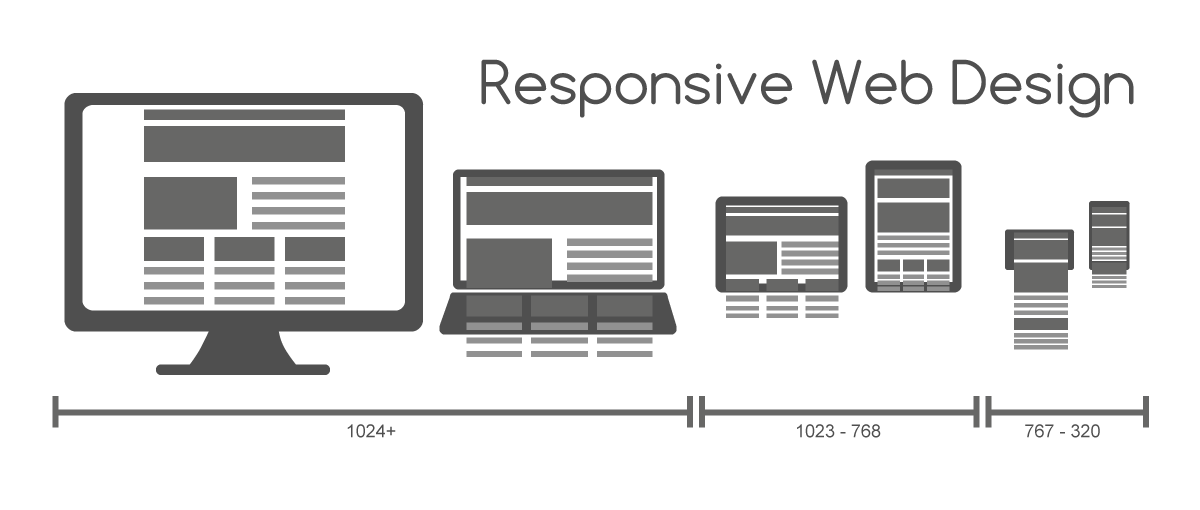
If your website is hard to read, tap, or navigate on a phone, you’re losing visitors before they ever see what you offer — and Google notices too. Most web traffic now comes from phones, and Google ranks sites based on how well the mobile version performs, not the desktop one. The good news: you …

Read More

How to Find Blog Topics Your Customers Actually Search For

Most small businesses pick blog topics by guessing: something feels relevant, so they write about it. The problem is that Google doesn’t rank guesses — it ranks answers to questions people are already typing. If you write about what you think matters instead of what your customers are actually searching for, you end up with …

Read More

Should Your Small Business Have a Blog? Here’s the Answer

You’ve built a website, but every guide you read says you also need a blog — and it’s hard to tell if that’s genuinely good advice or just something agencies say to sell more content packages. Blogging takes real time, and for a small business already stretched thin, that’s a fair thing to question. This …

Read More

How Many Pages Should a Small Business Website Have?

If you’re building or rebuilding a small business website, one of the first questions that comes up is deceptively simple: how many pages do you actually need? Too few and visitors can’t find what they’re looking for. Too many and you’re maintaining pages nobody reads while diluting the ones that matter. This guide gives you …

Read More