
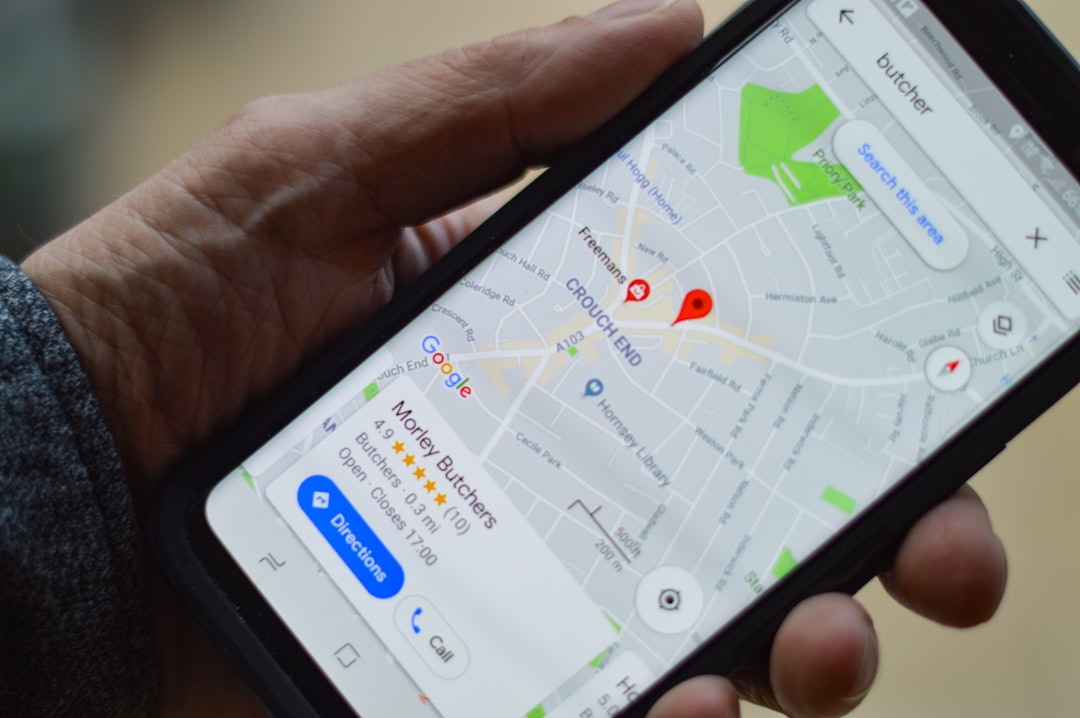
You have more reviews. You still don’t show up first. It’s one of the most common frustrations in local SEO, and it usually means an owner is watching one metric while Google is weighing a dozen others.
Table of Contents
This guide breaks down what actually drives Google’s local rankings, why review count is only one small piece of that picture, and what to fix on your Google Business Profile and website so review volume stops being the excuse for a ranking you don’t like.
Quick Answer
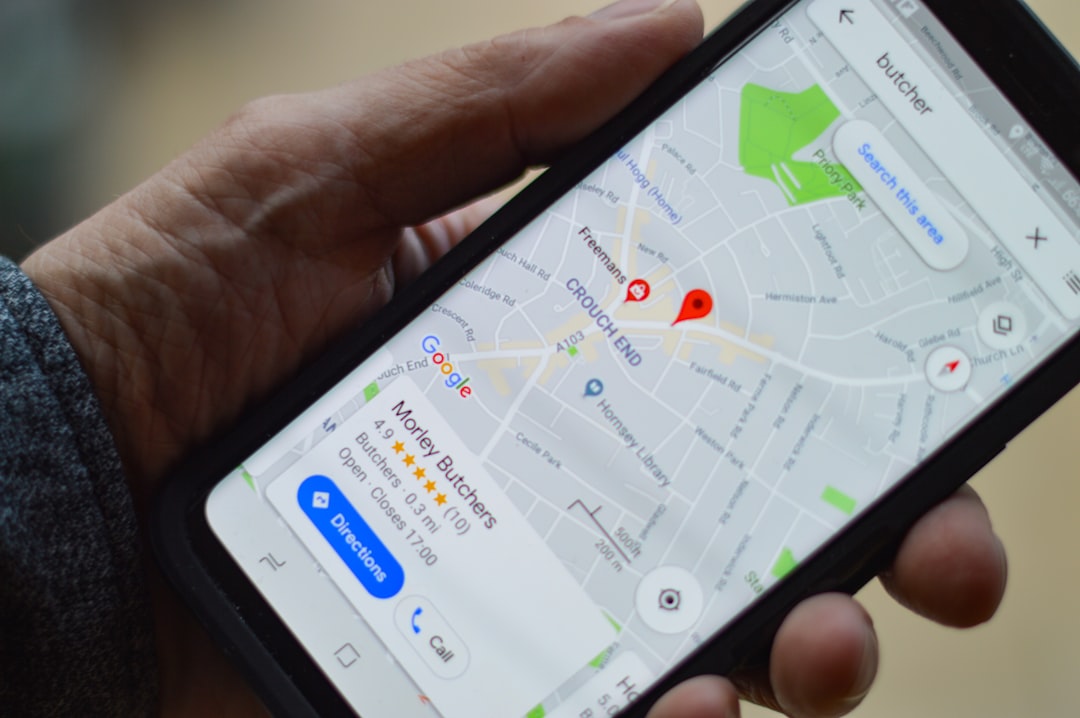
Google ranks local results using three pillars: relevance (how well your listing matches the search), distance (how close you are to the searcher), and prominence (how well-known and trusted your business is overall). Review count feeds only prominence, and even there, review recency and how well you match the searcher’s intent typically matter more than sheer volume. A competitor with fewer, more recent reviews, a tighter category match, or a closer location can easily out-rank a business sitting on a bigger pile of older reviews.
The Three Pillars Google Actually Ranks On
Relevance is how closely your Google Business Profile and website match what the searcher typed. This is driven heavily by your primary GBP category, which is widely considered one of the single most impactful local ranking signals, along with your business description, services listed, and the topics your website actually covers. A plumber whose profile is filed under a broad or slightly wrong category can lose to a competitor with a precise, correctly matched one, regardless of review count.
Distance is simply how close your business is to the person searching, or to the location they typed. You can’t out-review your way past a competitor who is a five-minute walk from the searcher and you’re a twenty-minute drive away; proximity is baked into the algorithm and no amount of reputation fully overrides it for a given individual search.
Prominence is where reviews live, but it’s not the whole story. It also includes backlinks to your website, citations (consistent name, address, and phone listings across directories), press mentions, and how well-known your business is generally. A competitor can build strong prominence through local press coverage, quality backlinks, or a well-established website even while carrying fewer total reviews than you.
Why Review Count Isn’t the Whole Reviews Story
Even within the reviews signal, raw count is not the dominant factor many owners assume it is. Review recency and velocity, meaning a steady, ongoing trickle of new reviews rather than a big batch you collected two years ago, is one of the more consistently underrated local ranking signals. A business with 40 reviews that gets a new one every week can out-signal a business with 400 reviews and no new ones in the last year, because a steady stream of recent activity tells Google the business is currently active.
How you respond to reviews, and whether your reviews are spread across multiple third-party review platforms rather than concentrated on just one, also factor in. Google reviews and Yelp reviews are both third-party reviews: they live on those companies’ platforms, not on your own website, so diversifying across them (plus any industry-specific directories) sends a broader trust signal than relying on a single source. Reviews mentioning your services and location by name add further weight.
On top of reviews, Google increasingly weighs engagement and activity on your profile itself: how often you post updates, add photos, answer questions, and how searchers behave after finding you, including clicks, calls, and direction requests. A competitor who posts regularly and keeps their profile current is sending far more “active business” signals than review count alone captures.

Tips / Common Mistakes
Audit your primary GBP category first. This is one of the highest-leverage fixes available and it’s free; an imprecise category can undercut every other effort you make.
Don’t let your listing go stale. Post updates, add fresh photos, and answer any Q&A on your profile regularly. A dormant profile with lots of old reviews looks less active to Google than a leaner, well-maintained one.
Fix NAP consistency. If your name, address, or phone number differ across your website, GBP, and third-party directory listings like Yelp or industry-specific sites, that inconsistency quietly weakens your prominence and relevance signals.
Ask for reviews continuously, not in one big push. A steady monthly cadence beats a one-time campaign that then goes quiet for a year.
Match your website content to what people actually search for, including your service areas and specific services by name; relevance is graded on your site, not just your GBP.
Common mistake: assuming a competitor with fewer reviews “must be gaming the system.” Often they’ve simply nailed category selection, proximity-relevant content, citation consistency, or review recency, all of which are within your control too.
Explore more: more web development and local SEO guides.
Local search ranking factors FAQs
Does having more Google reviews guarantee a higher local ranking?
No. Reviews are one input into the prominence pillar, and even there, recency and consistency of new reviews tend to matter more than total count. Relevance and distance can outweigh review volume entirely for a given search.
What’s the single most important thing to check first if a competitor outranks me?
Your Google Business Profile’s primary category. It’s widely regarded as one of the most impactful local ranking factors and is one of the easiest things to get wrong or leave too broad.
How often should I be getting new reviews to stay competitive?
Aim for a steady, ongoing stream rather than periodic bursts. A consistent trickle of new reviews signals an active business to Google more effectively than a large but aging batch collected long ago.
Can a business with a great website but fewer reviews still rank well locally?
Yes. A website that clearly matches local search intent, strong citation consistency, and proximity to the searcher can offset a smaller review count, since relevance and distance are independent pillars from prominence.
Build It With GTStudios
Need help with your website, app, or small-business tech? GTStudios builds web, apps, and software for small businesses. See how GTStudios can help.
Want dev news in your inbox? Subscribe to the free newsletter.
Photo by henry perks on Unsplash.