
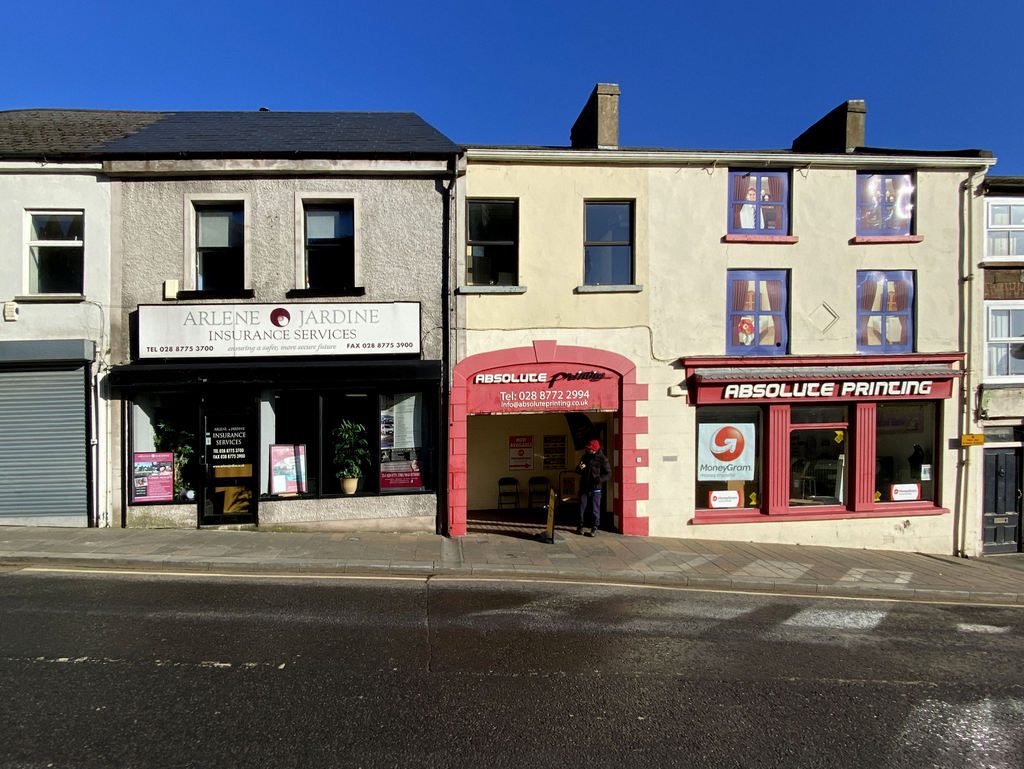
It’s one of the most debated decisions in small-business web design: show your prices publicly, or make people ask for a quote? Both approaches have real advocates, and the right answer depends more on your business model than on trends.
Table of Contents
This guide breaks down when posting prices helps you win more business, when it can backfire, and how to display pricing in a way that builds trust without boxing you in.
Quick Answer
In most cases, yes — if you sell a standardized product or service (software, fixed-scope packages, retail goods, flat-rate services), showing prices builds trust and filters out unqualified leads. If your pricing is highly custom, project-based, or varies a lot by client, a ‘starting at’ range or a request-a-quote flow usually works better than hiding pricing entirely.
When Showing Your Prices Is the Right Call
If your offering doesn’t change much from customer to customer — a SaaS subscription, a website package, a cleaning service with set rates — publishing prices lets visitors self-qualify before they ever contact you. That means fewer tire-kicker inquiries and more conversations with people who already know what they’re signing up for.
Transparent pricing also signals confidence. Visitors tend to read an upfront price as a sign a business has nothing to hide, while a site that hides all cost information can read as evasive, even if that’s not the intent. For B2B buyers especially, having to email or call just to learn a starting price is often enough friction to send them to a competitor who lists theirs.
There’s an SEO angle too: pricing pages tend to attract high-intent search traffic from people actively comparing options, and a clear, well-structured pricing page gives search engines and visitors alike something concrete to index and act on.
When It’s Better to Hold Back on Exact Numbers
Pricing transparency isn’t a universal rule. If your work is genuinely custom — commercial construction, enterprise software implementations, legal or consulting retainers that scale with scope — a single published number can mislead more than it helps, since the ‘real’ price depends on details you can’t capture on a webpage.
It can also backfire if you’re contractually restricted from posting prices (common with resellers and distributors bound by manufacturer pricing policies), or if wide client-to-client price variation would make early customers feel shortchanged when they see what others are paying.
In these cases, the fix usually isn’t ‘hide everything’ — it’s publishing a realistic starting price or a typical range, then explaining what moves the number up or down. That keeps you honest without promising a number you can’t guarantee.
Tips for Displaying Pricing Well
Pair every price with context: what’s included, what isn’t, and why it’s worth it — a bare number with no explanation invites price-shopping instead of understanding value. If you use tiers, keep the layout simple and put your recommended or most popular plan front and center so visitors aren’t stuck comparing every feature line by line.
A common mistake is treating the pricing page as an afterthought: thin content, no FAQs, no clear call to action. Since pricing pages often get visited right before someone decides to buy, make sure yours answers the objections a buyer would actually have — setup fees, contract length, cancellation terms — instead of just listing numbers.
Explore more: more web development guides.
Frequently Asked Questions
Does showing prices hurt my ability to negotiate?
It can reduce case-by-case negotiating room, but for most small businesses the trade-off is worth it: you spend less time on quotes for leads that were never going to close, and buyers trust you more from the start.
What if my pricing changes often?
Post a current range or starting price and keep the page updated rather than removing pricing altogether — an outdated number is a minor fix, but no pricing information at all pushes serious buyers toward competitors who do list theirs.
Should service businesses with custom quotes still show anything?
Yes — even a ‘projects typically start around X’ line gives visitors a frame of reference, which tends to produce better-qualified inquiries than a page with no pricing context at all.
Build It With GTStudios
Need help with your website, app, or small-business tech? GTStudios builds web, apps, and software for small businesses. See how GTStudios can help.
Want dev news in your inbox? Subscribe to the free newsletter.
Photo: Kenneth Allen / CC BY-SA 2.0, via Wikimedia Commons.