
Getting a customer to buy once is expensive. Getting them to come back is where small businesses make their money, and a text message is one of the most direct ways to nudge them. Texts get seen quickly, they feel personal, and they work well for the kind of simple, timely prompts that bring people back: a reminder, a thank-you, a limited offer.
Table of Contents
This guide walks through how to set up text message marketing for repeat business. It covers collecting permission the right way, getting registered so your messages get delivered, deciding what to send and when, and avoiding the compliance mistakes that can turn a good idea into a legal headache.
Quick Answer
To bring repeat customers back with text messages, collect clear written opt-in consent, register your business number with US carriers (10DLC), and send short, useful, well-timed messages such as reminders, loyalty rewards, and win-back offers. Always include a simple way to opt out, and honor STOP requests promptly.
Step 1: Get Permission Before You Send Anything
Marketing texts in the US generally require prior express written consent. In practice that means the customer must clearly agree to receive promotional texts from your business, and your sign-up language should say so plainly, including that agreeing is not a condition of buying anything. A phone number handed over for a receipt or an appointment is not the same as agreeing to marketing texts.
Good places to collect consent include a checkbox on your website or checkout form, a sign-up sheet or tablet at the counter, or a keyword text-in (for example, ‘Text JOIN to our number’). Tell people what kind of messages they will get and roughly how often. Keep a record of when and how each person opted in, because you may need to prove it later.
Consent applies to the specific business and purpose it was given for. Do not import a purchased list or reuse numbers collected for something unrelated.
Step 2: Choose a Platform and Register Your Number
Most small businesses use a texting platform rather than sending from a personal phone. Look for opt-in and opt-out handling built in, contact segmentation, scheduling, and two-way messaging so customers can reply and get an answer.
If you send business texts from a standard 10-digit local number, US carriers require registration under the 10DLC system. You register your brand (business name, tax ID, website, contact details) and then your campaign (the use case, sample messages, and how people opt in) through The Campaign Registry. Approval typically takes from a couple of days to about a week, and there are usually one-time and recurring fees, so check your platform’s current pricing. Most platforms walk you through this, but unregistered traffic can be filtered or blocked, so do it before your first campaign.
Step 3: Send Messages That Bring People Back
Repeat-customer texts work best when they are tied to something the customer actually did. Some of the most reliable types are:
A thank-you after a first purchase with a reason to return. A replenishment or rebooking reminder timed to how long your product or service usually lasts, such as a haircut, oil change, or refill. A loyalty or points update that shows how close they are to a reward. A win-back message to customers who haven’t visited in a while, ideally with a specific incentive or a genuinely useful update. An early-access or birthday offer that makes people feel like insiders.
Keep each message short, say who you are in the first few words, make one clear ask, and give a single link or reply option. Segment your list by purchase history, so a customer who bought last week doesn’t get the same message as one who disappeared last year.
Step 4: Time It and Stay Compliant
Do not send marketing texts before 8 a.m. or after 9 p.m. in the recipient’s local time zone. If your customers are spread across time zones, schedule by their location rather than yours.
Include clear opt-out instructions, such as ‘Reply STOP to unsubscribe,’ and support the standard keywords: STOP, UNSUBSCRIBE and CANCEL should opt someone out, and HELP should return your contact information. Under current FCC rules, businesses must honor opt-out requests made by any reasonable method and process them within 10 business days. Once someone opts out, stop sending promotions.
Rules in this area are changing. The FCC has proposed revisions to its consent-revocation rules, so check current guidance or talk with a lawyer familiar with the TCPA before launching, especially if you text at volume. Violations can carry statutory damages per message, which is why record-keeping and opt-out handling matter.
Tips / Common Mistakes
Don’t over-send. A steady, modest cadence keeps people subscribed; a daily blast trains them to reply STOP. Decide a maximum frequency up front and state it at sign-up.
Don’t make every text a discount. Mix in reminders, updates, and thank-yous so offers still feel special.
Don’t hide who you are. Start with your business name so customers recognize the sender.
Do read replies. If your platform supports two-way texting, answer questions quickly. A conversation often does more for repeat business than the original message.
Do test and measure. Track opt-outs, replies, and redemptions for each campaign, and adjust timing and wording based on what your own customers respond to rather than generic benchmarks.
Explore more: More digital strategy guides for small businesses.
Text message marketing for repeat customers FAQs
Do I need consent to text my existing customers?
For marketing or promotional texts, yes. Being a past customer is not enough on its own. You generally need clear written consent to receive promotional texts, and it is smart to keep a record of when and how it was given.
What is 10DLC and do I have to register?
10DLC (10-digit long code) is the system US carriers use to manage business texting from standard local numbers. If you send business texts to US customers this way, you register your brand and campaign through The Campaign Registry, usually via your texting platform, so your messages are delivered.
How often should I text repeat customers?
There is no universal number. Start with a low, predictable frequency, tell subscribers what to expect when they sign up, and watch your opt-out rate. If people leave after certain messages, send less or make the content more useful.
What happens when someone replies STOP?
You must stop sending them promotional texts and process the request within 10 business days under current FCC rules, though most platforms do it automatically. You can send a single confirmation that they’ve been unsubscribed.
Build It With GTStudios
Need help with your website, app, or small-business tech? GTStudios builds web, apps, and software for small businesses. See how GTStudios can help.
Want dev news in your inbox? Subscribe to the free newsletter.
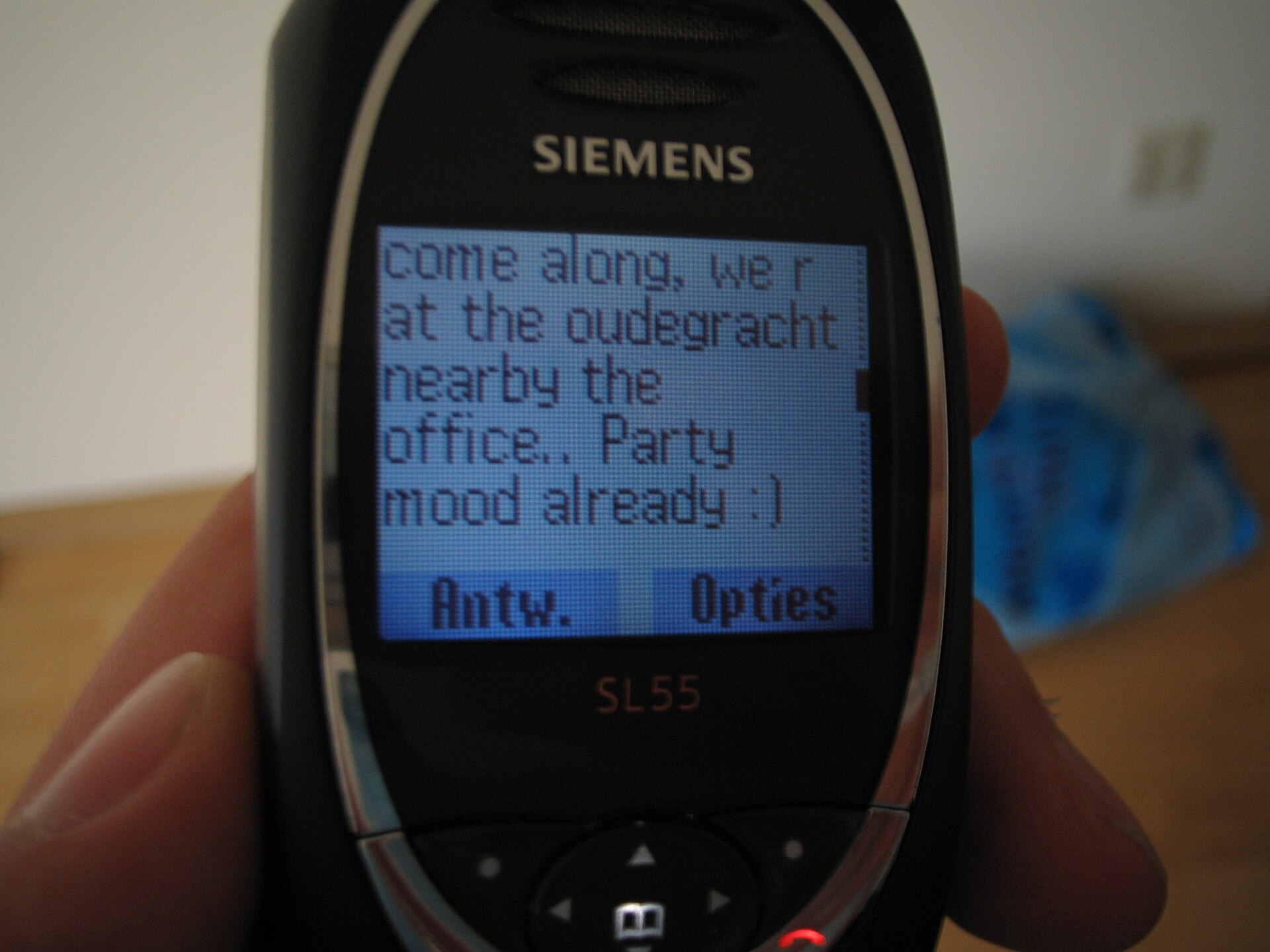
Photo: Thomas van de Weerd from Utrecht, The Netherlands / CC BY 2.0, via Wikimedia Commons.