
Indie Game Dev

GDScript vs C# vs C++ in Godot 4: Which Should You Use?
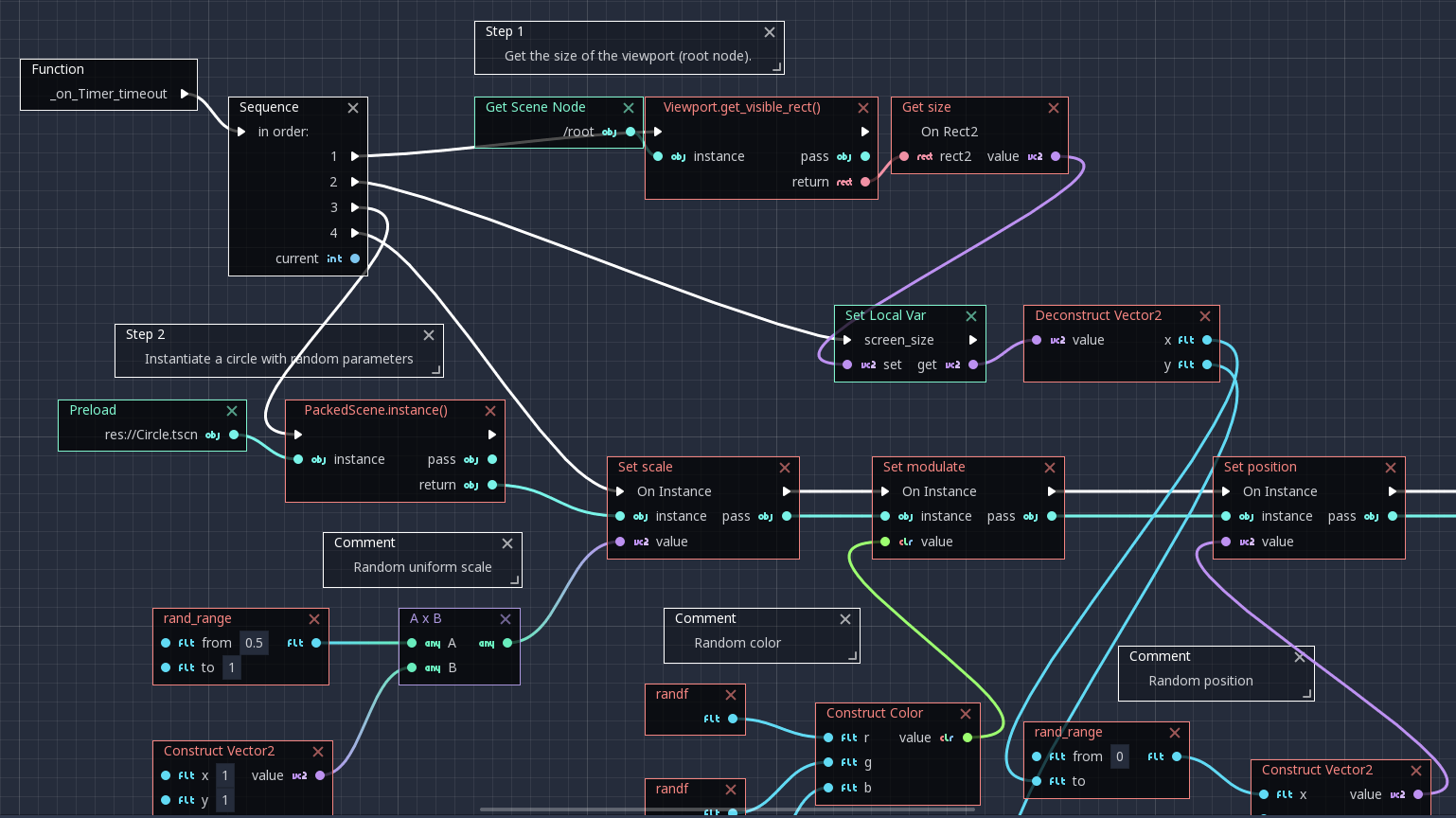
Godot 4 actually gives you three ways to write game code — GDScript, C#, and C++ via GDExtension — and picking the wrong one can cost you weeks of rework mid-project, not just a slower frame rate. This guide breaks down where each language wins, how fast GDScript really is compared to typed C# and …

Read More

Free Music Maker Tools & Royalty-Free Tracks for Devs

Most indie developers can handle code and art — but when it’s time to compose a soundtrack, the workflow suddenly stops. Professional DAWs can cost hundreds of dollars a year, and hiring a composer isn’t in a solo dev’s budget. The good news: you don’t have to choose between an empty wallet and silent gameplay. …

Read More

Free Sound Effects for Indie Games: Kenney CC0 & More

Sound makes or breaks player immersion — a satisfying sword clang or a perfectly-timed UI click can elevate your game from tech demo to shipped title. The good news: you don’t need a studio budget or a hired sound designer to get there. This guide covers the exact free tools, libraries, and licenses indie developers …

Read More

Pixel Art From a Photo: Full Sprite Workflow for Indie Games

Turning a photograph into a clean pixel art sprite is one of the most common shortcuts indie developers reach for — grab a reference photo, run it through a converter, and expect a game-ready asset. It rarely works that way straight out of the box. A raw photo-to-pixel conversion almost always needs a deliberate crop, …

Read More

Indie Game Difficulty Curve: Hidden DDA & Steam Reviews

Indie game difficulty curve design is where most first-time studios accidentally kill their player base — it’s invisible when it works and only obvious once the refund requests start rolling in. Difficulty isn’t just about how hard the enemies hit; it’s the rhythm of challenge, mastery, and reward that makes a player want one more …

Read More