
Staring at a blank content calendar is one of the most common ways small business marketing stalls out. You know you should be blogging, but guessing at topics is a slow way to find out what your customers actually want to read.
Table of Contents
Google has already done the research for you. The “People Also Ask” (PAA) box that shows up in most search results is a running list of real questions people type into the search bar, and every single one of them is a candidate blog post. This guide walks through a repeatable process for turning that box into a 20-post content plan, plus the tools that speed it up.
Quick Answer
Search your main topic on Google, open the People Also Ask box, and click each question to reveal more related questions underneath it (this is often called the PAA “fan-out”). Collect 30-40 of these questions, group them by theme, and each theme becomes a blog post — with the individual questions inside it becoming your subheadings. Repeat with a handful of seed topics and you’ll have a 20-post list within an hour or two.
The Manual Method, Step by Step
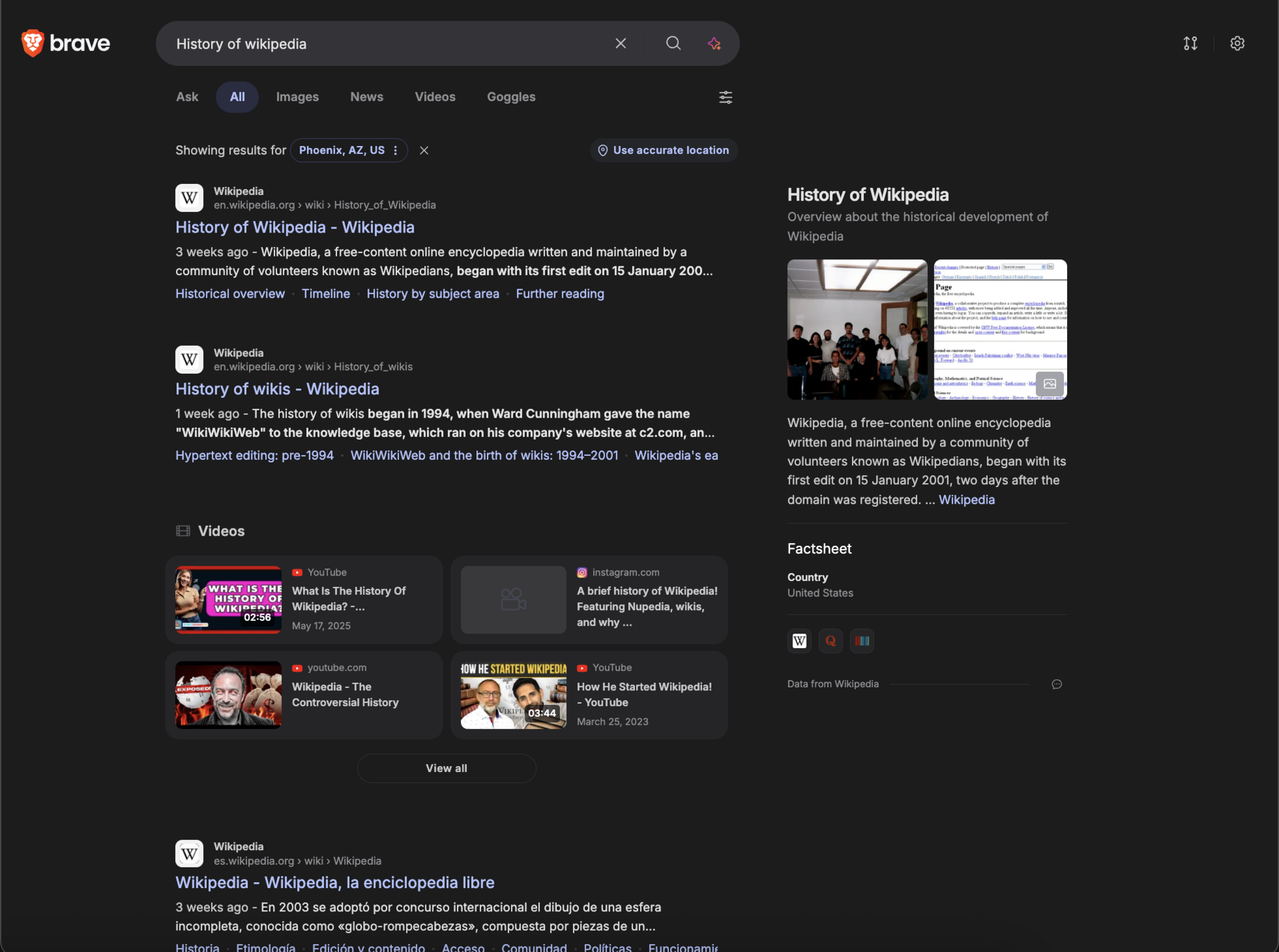
Start with a seed search — a broad topic close to your business, like “email marketing for small business” or “landscaping cost.” Google will show a People Also Ask box, usually with three to four questions, mixed in with the organic results.
Click on one of the questions. It expands to show an answer snippet pulled from a specific page, and — this is the important part — clicking it also loads new, related questions further down the box. Click into two or three of those new questions and the list keeps growing. This fan-out behavior is what makes PAA so useful for planning: a single search can surface dozens of real, related queries instead of just three or four.
Copy every question into a spreadsheet as you go, along with the domain that’s currently answering it (visible when you expand the question). That competitor detail is useful later for judging how hard the topic will be to rank for.
Repeat the process with four or five different seed searches covering the main areas of your business. By the time you’ve fanned out each one, you’ll typically have well over 100 raw questions to work with — more than enough to filter down to a strong list of 20.
Turning Raw Questions Into a 20-Post Calendar
Once you have your raw list, group the questions by theme rather than treating each one as its own post. Five or six questions about “how much does X cost,” “is X worth it,” and “what’s the cheapest way to do X” are really one post about pricing, written with each question answered as its own subheading. This clustering approach — one pillar post per theme, built directly from real PAA questions — produces stronger, more complete articles than one thin post per question, and it’s also how Google’s own snippet system prefers content to be structured.
Sort your clusters into three buckets: bottom-of-funnel (pricing, comparisons, “vs” questions — these tend to convert), how-to and educational (builds trust and earns links), and quick-answer questions (short, direct posts that can win a featured snippet or PAA placement themselves). A healthy 20-post calendar mixes all three rather than leaning entirely on how-to content.
For tooling, AnswerThePublic pulls autocomplete-style question data from Google, Bing, and YouTube and organizes it by question type (how, what, why) and by modifier (best, vs, for, near) — useful for spotting comparison and bottom-of-funnel angles fast. AlsoAsked is built specifically around the PAA fan-out and will map out the full question tree for a seed query automatically instead of you clicking through it by hand; it offers a limited free search with a downloadable image of the question map, and paid plans (roughly $12 to $47 a month depending on volume) add CSV export, bulk searches, and deeper fan-out for when you’re planning at scale.
Whichever method you use, write the post to directly and clearly answer the question in the first sentence or two of the relevant section — short, self-contained answers of a sentence or two are what typically get pulled into the PAA box and featured snippets, with the rest of the paragraph adding supporting detail.
Tips and Common Mistakes
Don’t stop at the first layer of questions. The real value of PAA is in the fan-out — questions three or four levels deep are often less competitive and more specific, which makes them easier to rank for than the obvious first-layer questions everyone else is already targeting.
Check who’s currently answering each question before you commit a post to it. If it’s consistently a major publisher or Wikipedia, it may be a tough spot to win; if it’s a smaller or thinner site, that’s a signal the topic is winnable.
Avoid the trap of writing one 200-word post per question. Google increasingly favors pages that answer a cluster of related questions thoroughly over a scattering of thin, single-question pages — thin pages also cannibalize each other in search rankings.
Revisit the PAA box for your seed topics every few months. The questions shift based on what people are actually clicking, so a refreshed search can surface new angles for posts 21 through 40 once you’ve worked through the first batch.
Don’t ignore the questions that seem too basic. Simple, high-intent questions often have solid search volume precisely because so many people are asking them — and they’re usually the easiest wins for a featured snippet.
Explore more: More digital strategy guides.
People Also Ask box FAQs
What is the People Also Ask box?
It’s a section in Google’s search results, usually appearing among the top results, that lists related questions other searchers have asked. Clicking a question expands an answer snippet and loads additional related questions below it.
Is it free to research topics with People Also Ask?
Yes. Manually searching and expanding questions in Google costs nothing — it just takes more time than a dedicated tool. Tools like AlsoAsked and AnswerThePublic speed up the process and offer limited free searches, with paid plans for higher volume or exporting data.
How many seed searches do I need for a 20-post content plan?
Four to six seed searches covering the main areas of your business is usually enough. Each one can fan out into dozens of related questions once you click through a few layers, giving you plenty to cluster into 20 solid post topics.
Should each PAA question get its own blog post?
Generally no. Group related questions into themed clusters and answer them all within one thorough post, using each question as a subheading. This tends to outperform many thin, single-question posts.
Build It With GTStudios
Need help with your website, app, or small-business tech? GTStudios builds web, apps, and software for small businesses. See how GTStudios can help.
Photo: Muhammad Rafizeldi / CC BY 4.0, via Wikimedia Commons.