
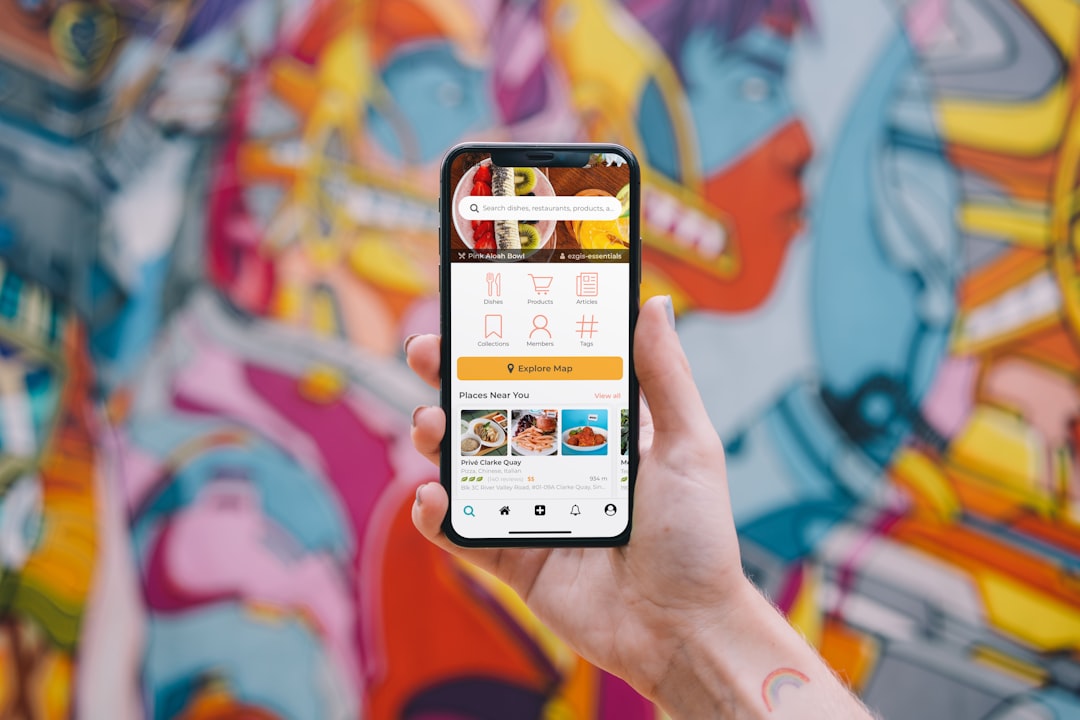
If you’ve ever wondered whether a digital punch card or points app is worth the monthly fee, you’re asking the right question before spending money, not after. Loyalty apps can be a genuine driver of repeat business for small shops, cafes, salons, and service providers — but only when they’re set up well and the reward is something customers actually want.
Table of Contents
This guide breaks down when loyalty apps work, when they don’t, what platforms small businesses actually use, and how to launch one without wasting a quarter on a program nobody joins.
Quick Answer
Yes, loyalty apps can increase repeat customers, but the app itself isn’t what does the work — the incentive structure and how easy it is to use are what matter. A well-designed program gives customers a reason to choose you over a competitor next time, while a clunky app with a boring reward tends to get downloaded once and ignored.
Why Loyalty Apps Work (When They Do)
Loyalty apps work because they turn an abstract goal — ‘come back again’ — into something concrete customers can track: points, stamps, or progress toward a reward. That visible progress is what nudges someone to pick your coffee shop over the one next door, especially once they’re partway to a reward.
They also give you a direct line to customers that you don’t get from walk-in traffic alone. Most loyalty platforms capture a phone number or email at signup, which means you can send a reminder about an expiring reward or a slow-Tuesday promotion instead of hoping people remember you exist.
The businesses that see the biggest lift tend to be ones with naturally frequent purchase cycles — coffee shops, restaurants, salons, gyms, car washes — where a customer might realistically buy from you weekly. Loyalty programs are a harder sell for businesses people visit once a year, like a mattress store or a roofer, since there’s little repeat behavior to reinforce in the first place.
Popular Small Business Loyalty Platforms
Square Loyalty is the simplest option if you already run Square as your point-of-sale system — it plugs directly into checkout with no extra hardware. Square now sells it as part of a unified Plus plan (roughly $49/month per location) that bundles the loyalty program together with staff management, a customizable website, and email/text marketing tools in one subscription, rather than charging for marketing separately; texts typically include a free monthly allotment before a small per-text charge kicks in. The tradeoff is that it only works within the Square ecosystem.
Fivestars is a standalone loyalty and CRM platform built for brick-and-mortar retail and service businesses; it works independently of your POS and includes a local-discovery network that can bring in new customers, not just retain existing ones.
Punchh is built more for larger, multi-location restaurant and retail brands, with mobile ordering, personalized promos, and heavier analytics — likely more than a single-location small business needs, but worth knowing if you’re scaling.
There are also lighter-weight, lower-cost options such as Loop.fans, Stamp Me, and Loopy Loyalty, which focus on simple digital punch cards and, in some cases, let you reward actions beyond purchases, like referrals or leaving a review. Monthly costs across these platforms vary widely, roughly from the low tens of dollars for a basic single-location punch-card app up to a few hundred dollars a month for a full CRM-style platform with multiple locations — so it’s worth matching the platform’s complexity (and price) to what your business actually needs.
Tips and Common Mistakes
Pick the reward before the app. If the reward isn’t genuinely appealing — a free drink after ten purchases beats a vague ‘5% off’ — the app won’t move the needle no matter how polished it is.
Make joining nearly instant. Programs that require downloading a separate app before checkout tend to lose people at signup; a phone-number-based or QR-code system that works in a few seconds gets far higher adoption.
Get your staff on board first. If your team doesn’t mention the program at checkout, most customers will never know it exists — staff buy-in matters more than any feature the software has.
Don’t over-engineer it. A common mistake is choosing an enterprise-grade platform with tiers, gamification, and multi-channel campaigns for a single-location shop. Start simple, see if customers actually use it, then add complexity later if it’s working.
Track whether it’s actually changing behavior. Check whether enrolled customers are visiting more often or spending more than customers who haven’t joined — most platforms show this in their dashboard. If there’s no visible difference after a couple of months, the reward or the rollout needs adjusting, not necessarily the software.
Explore more: more app development guides.
Small business loyalty apps FAQs
Are loyalty apps worth it for a small business?
They’re generally worth it for businesses with frequent repeat-purchase potential, like restaurants, cafes, salons, and gyms, especially at the lower end of the price range. For businesses people buy from rarely, the return is much less certain.
What’s the easiest loyalty app to set up if I already use Square?
Square Loyalty is the most straightforward option since it’s built directly into Square’s checkout flow with no extra hardware, and it’s bundled with Square’s email/text marketing tools under the Square Plus plan rather than sold as a separate marketing add-on.
Do customers actually use loyalty apps, or do they sign up once and forget?
Adoption depends heavily on how easy signup is and how attractive the reward is. Programs that require a separate app download tend to see lower ongoing engagement than simpler phone-number or QR-code systems that work at checkout.
Can a loyalty app bring in new customers, not just repeat ones?
Some platforms, like Fivestars, include a local discovery or referral network that can surface your business to nearby customers, but most loyalty apps are primarily built to retain existing customers rather than acquire new ones.
Build It With GTStudios
Need help with your website, app, or small-business tech? GTStudios builds web, apps, and software for small businesses. See how GTStudios can help.
Photo by abillion on Unsplash.