If your listings already show up on Zillow, Realtor.com, and your brokerage’s site, a personal website can feel redundant. Buyers and sellers are searching those portals anyway, so why pay for one more web property?
Table of Contents
The short answer is that portals and your own site do different jobs. This guide breaks down what Zillow actually gives you, what only a personal website can do, and how to decide whether building one is worth it for your business.
Quick Answer
Yes, most agents benefit from having their own website, even while actively using Zillow and other portals. Zillow is a lead-generation channel you rent; a personal website is a branded asset you own, control, and can use to capture leads, build local SEO authority, and stay reachable after a client’s first transaction ends.
What Zillow Actually Gives You (and What It Doesn’t)
Zillow, Realtor.com, and similar portals are genuinely useful for visibility. They have massive existing traffic from buyers and sellers who are already searching for homes, and getting your listings or agent profile in front of that audience is hard to replicate on your own, especially early in your career.
The tradeoff is that you’re playing on someone else’s platform. Your profile sits next to competing agents, often ones who paid for premium placement above your own listings. The portal — not you — owns the visitor’s data and the underlying relationship with the platform. If the platform changes its algorithm, pricing, or ad policy, your visibility can shift overnight with no recourse.
A personal website flips that: it’s the one piece of your online presence you fully control. You decide the design, the content, which listings get featured, and what happens to a visitor’s contact information. Posts, social profiles, email signatures, and print marketing can all point back to a home base that no platform change can take away from you.
What a Real Estate Website Should Actually Include
A bare-bones “brochure” site with your headshot and a contact form doesn’t do much. To actually compete, most agent websites need: an IDX (Internet Data Exchange) feed so visitors can search live MLS listings directly on your site instead of leaving for a portal; a lead-capture system (saved searches, home-value tools, or gated content) that collects contact info before a visitor bounces; local content — neighborhood guides, market updates, school and commute info — that targets the specific areas you farm, since this is where you can out-rank portals in local search; and a CRM or email integration so captured leads get followed up automatically instead of sitting in an inbox.
Costs vary a lot by approach. A simple do-it-yourself site on a website builder with basic IDX can run in the low hundreds of dollars a year. A professionally built site with full IDX integration, lead capture, and CRM connections more commonly runs several hundred to a few thousand dollars to set up, plus an ongoing monthly fee for hosting and the live MLS data feed. Custom-built sites for teams or brokerages cost more and scale with the number of agents and features involved.
Whatever platform you choose, your IDX feed has to come from your local MLS and comply with its display rules (required disclaimers, listing attribution, update frequency). This is a compliance requirement, not optional polish, so confirm your website provider or plugin is set up to handle it correctly before you launch.

Tips / Common Mistakes
Don’t treat your website as a one-time project. The sites that actually generate leads are updated regularly with new listings, local content, and market info — a site that hasn’t changed in two years won’t rank or convert well.
Don’t rely on social media instead of a website. Social platforms are useful for visibility, but you don’t own that audience or its data, and a change in reach or policy can erase your presence there just like it can on a portal.
Don’t skip MLS/IDX compliance to save money. Using a provider that doesn’t properly license and display MLS data can create real liability with your board or MLS, not just a cosmetic problem.
Don’t build a site and ignore local SEO. A website with no local content, no consistent business listings (Google Business Profile, etc.), and no backlinks from local sources won’t show up for the searches that actually matter — “homes for sale in [your town]” style queries.
Don’t make the site’s only call-to-action a generic “Contact Me” form. Specific tools — home valuation requests, saved search sign-ups, neighborhood guide downloads — convert better than a blank contact form.
Explore more: more web development guides for small businesses.
Real estate agent websites vs Zillow FAQs
Is a website really worth it if I already get leads from Zillow?
Often yes, because the two serve different purposes. When Zillow connects you with a buyer, it typically gives you an exclusive relationship with that lead for a period of time rather than sharing them with competing agents — but you’re still renting that connection on Zillow’s platform. A website lead comes to you directly, and the site itself builds long-term local search authority that keeps working even if your portal spending changes.
Do I need IDX on my website, or is a simple portfolio site enough?
It depends on your goal. A portfolio-style site can work for branding and referrals, but if you want visitors to search live listings and capture leads directly, you need IDX integration tied to your local MLS.
How much should a solo agent expect to spend on a website?
It ranges widely by provider and feature set — simple builder-based sites can cost a few hundred dollars a year, while a professionally built site with IDX, lead capture, and CRM integration typically runs higher upfront plus an ongoing monthly fee for hosting and the MLS data feed.
Can my brokerage’s website replace the need for my own?
A brokerage site helps with credibility, but it promotes every agent at the firm, not just you, and you typically don’t control its content, leads, or analytics the way you would on a personal site.
Build It With GTStudios
Need help with your website, app, or small-business tech? GTStudios builds web, apps, and software for small businesses. See how GTStudios can help.
Want dev news in your inbox? Subscribe to the free newsletter.
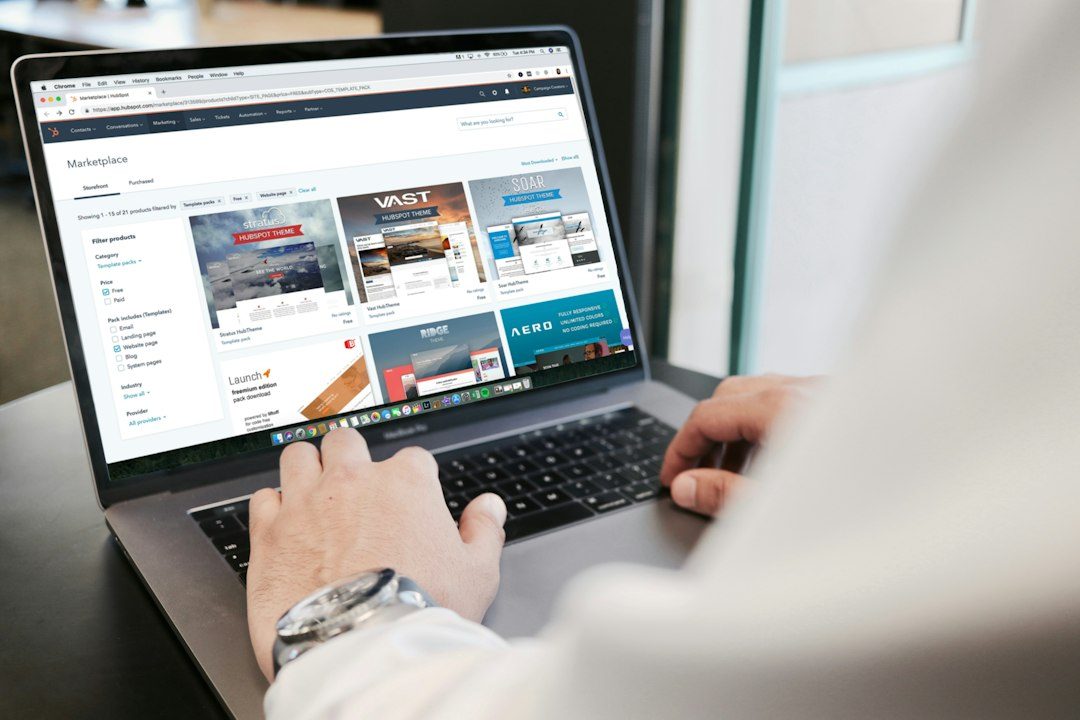
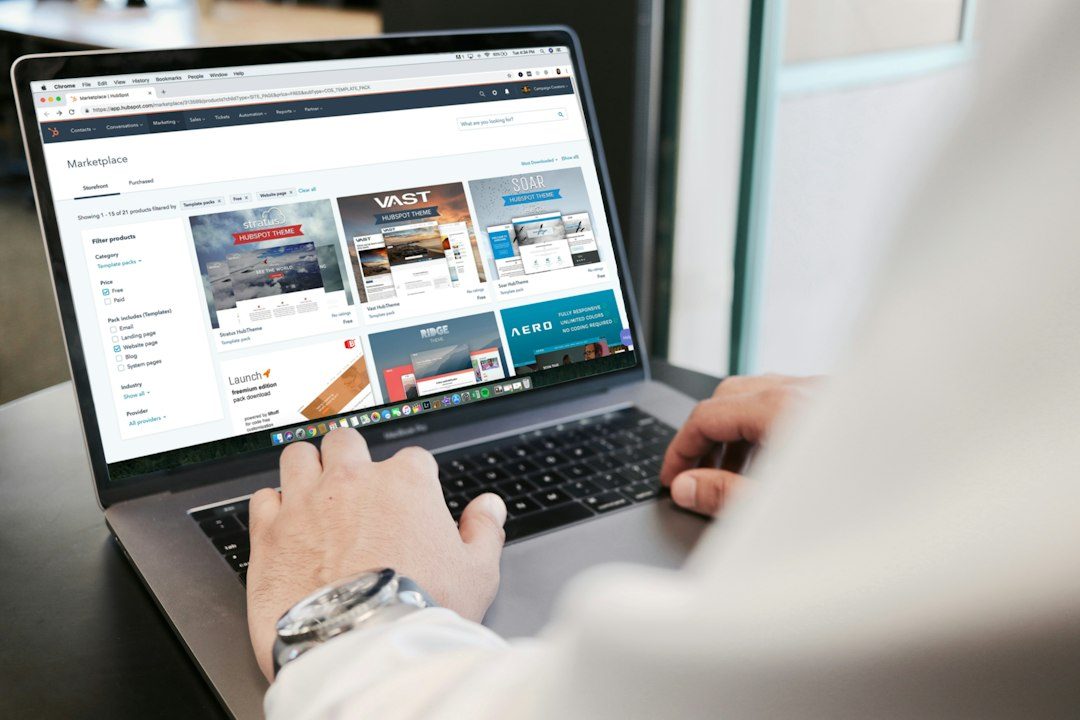
Photo by Campaign Creators on Unsplash.