
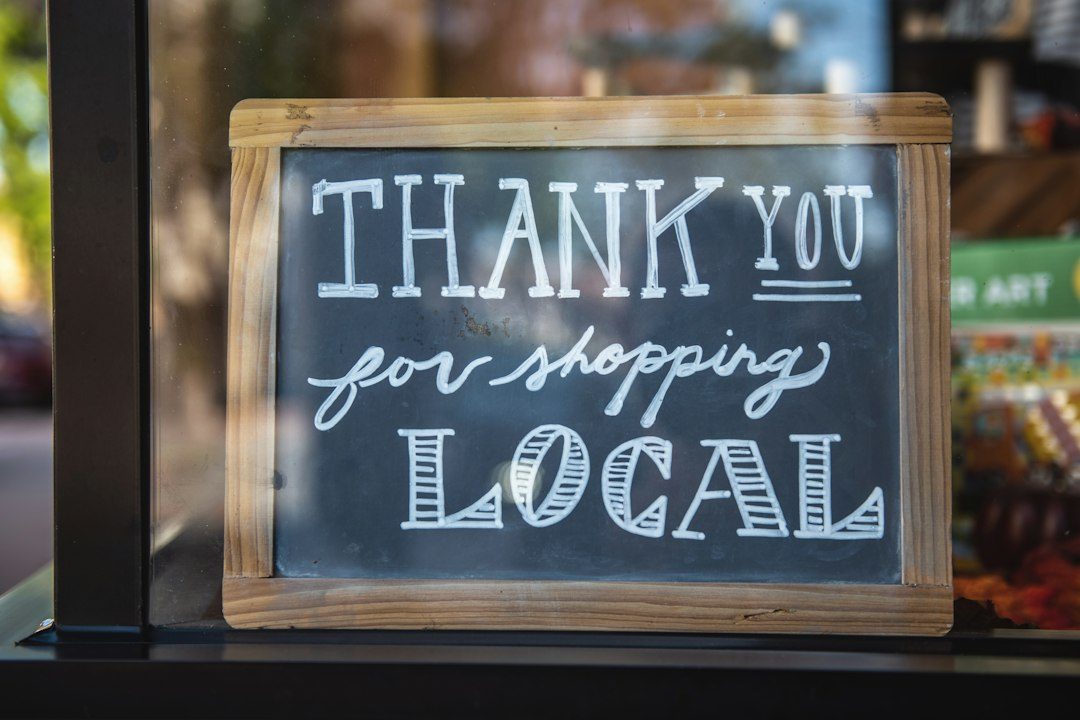
If you run a local business, word of mouth is probably already your best source of new customers — a referral program just gives that word of mouth a nudge and a reward. The good news is you don’t need expensive software or a marketing agency to launch one; you need a clear offer, a simple way to track who referred whom, and a place to mention it where customers are already paying attention.
Table of Contents
This guide walks through building a referral program using mostly free tools: spreadsheets, printed cards, email, and social posts, with a note on when a low-cost app is worth adding later.

Quick Answer
To set up a referral program on a tight budget, pick a simple double-sided reward (something for both the referrer and the new customer), track referrals with a free tool like a shared spreadsheet or a free-tier app, and promote the program through channels you already own — receipts, email signatures, and social posts — instead of paid ads.
Step-by-Step: Launching It for Free (or Almost Free)
Decide on the reward first. A double-sided reward, where both the existing customer and the new one get something, tends to get more participation than a one-sided reward, because the new customer has an incentive to actually redeem it. Keep the reward simple to explain: a discount on a future visit, a free add-on, a service credit, or a small cash or gift-card reward. Size it against your margin and what a typical customer is worth to you over time, rather than copying a number from another business.
Pick a tracking method that matches how customers find you. For a brick-and-mortar shop, a unique referral code or a punch card works fine — write the referrer’s name on the new customer’s receipt or card. For service businesses, a dedicated ‘referred by’ question on your intake form, plus a simple spreadsheet logging who referred whom and whether the reward was paid, is enough to start. If you sell through Shopify, Smile.io’s free plan includes a built-in referrals program alongside points and rewards, with a cap on monthly orders and no integrations or analytics — fine for a store just getting started, though most dedicated referral-tracking apps (including GrowSurf) are paid tools with only a free trial, not a lasting free tier, so weigh that cost against what manual tracking is costing you in time.
Make the ask a single step. Give customers a short link, QR code, or a phrase to mention (‘tell them Jane sent you’) rather than a multi-step sign-up process. Train staff to mention the program at checkout or at the end of a service call — this is free and usually the single biggest driver of participation.
Promote it through channels you already pay for or already use: your email signature, order receipts, your Google Business Profile posts, your existing social accounts, and your email list if you have one. None of this requires an ad budget.
Review and pay out on a regular cadence — weekly or monthly, depending on volume. Promptly thanking and rewarding referrers (even just a handwritten note along with the reward) keeps them referring again.
Choosing a Reward That Fits Your Margins
The cheapest referral programs to run are the ones that reward customers with something that costs you little at the margin but feels valuable to the customer — a free add-on service, a loyalty credit, or a discount on a repeat purchase, rather than straight cash. Tiered or delayed rewards (for example, the reward unlocks only after the new customer’s first paid visit) also protect you from paying out on referrals that never convert.
Cross-promoting with other non-competing local businesses is another no-cost referral source: a hair salon and a nail studio, or a coffee shop and a bookstore, can refer customers to each other with simple printed cards or a shared discount, splitting none of the cost of paid acquisition.
One thing to build in from day one: if a referral reward is tied to someone posting a public review or endorsement rather than a private, one-to-one referral, the FTC’s endorsement guidelines require that the material connection (that they were paid or rewarded) be clearly disclosed. For simple friend-to-friend referrals this rarely comes up, but it matters the moment you start asking for reviews in exchange for a reward.

Tips and Common Mistakes
The most common reason referral programs fail isn’t the budget — it’s complexity. If customers have to read rules, fill out multiple forms, or wait too long to see a reward, they won’t bother. Keep the offer to one sentence and the process to one step.
Other frequent mistakes: making the reward too small to matter, forgetting to train staff to mention the program at the point of sale, not tracking referrals at all (so you can’t pay out or measure what’s working), and letting the program run silently without any follow-up promotion. Revisit the offer every few months — if referrals slow down, it’s often a sign the reward or the ask needs refreshing, not that referral marketing stopped working.
Explore more: more digital strategy guides for small businesses.
Frequently Asked Questions
What’s the cheapest way to track referrals without buying software?
A shared spreadsheet, a unique code or punch card per customer, or a ‘referred by’ field on your existing intake or order form. All of these cost nothing and work fine until your referral volume grows large enough to justify a paid referral app.
How much should I offer as a referral reward?
There’s no universal number — size the reward against your margin and the typical value of a customer to you, and lean toward a modest discount, credit, or add-on rather than a large cash payout. The reward just needs to feel worthwhile to both people without eating significantly into your margin.
Do I need to disclose that I’m rewarding referrals?
For private, one-to-one referrals it’s rarely an issue, but if the reward is tied to a public review or endorsement (on social media, Google, or elsewhere), FTC endorsement guidelines require the paid or rewarded connection to be clearly and conspicuously disclosed.
Build It With GTStudios
Need help with your website, app, or small-business tech? GTStudios builds web, apps, and software for small businesses. See how GTStudios can help.
Want dev news in your inbox? Subscribe to the free newsletter.
Photo by Tim Mossholder on Unsplash.