

If you’re staring down a website redesign and trying to figure out when it’ll actually be done, you’re not alone — it’s one of the most common questions business owners ask before a project even starts. The honest answer is “it depends,” but that’s not very useful when you’re trying to plan a launch around a product release, a busy season, or a rebrand.
Table of Contents
This guide breaks down what actually eats up the weeks in a redesign project, gives you realistic ranges for different project sizes, and flags the things that most often turn a 6-week project into a 4-month one.

Quick Answer
Most small-business website redesigns take somewhere between 6 and 12 weeks from kickoff to launch. A simple, content-ready site on a template-based platform can move in as little as 4 weeks, while a larger site with custom design, lots of pages, or e-commerce functionality often runs 3 to 4 months or more.
What Actually Happens During Each Phase
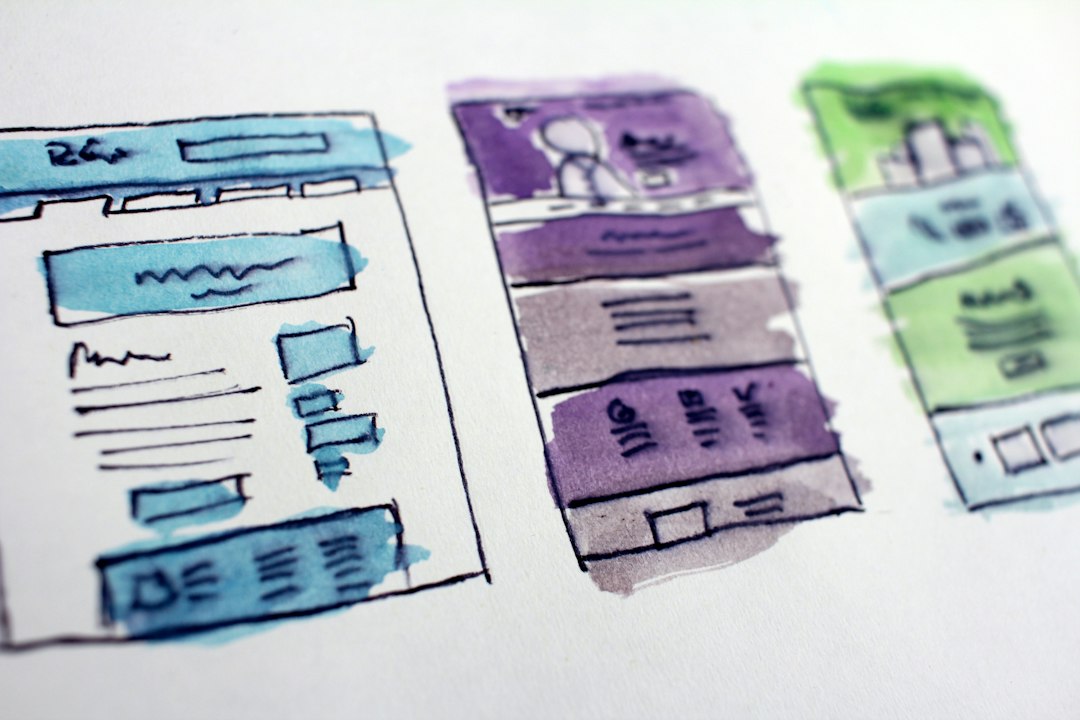
A redesign isn’t one big block of work — it moves through several distinct stages, and each one has its own timeline. Discovery and strategy (defining goals, scope, and a sitemap) usually takes 1 to 3 weeks. Information architecture and wireframing — mapping out page structure and navigation before anything looks pretty — adds another 1 to 2 weeks.
Visual design, where the look and feel actually gets approved, typically takes 2 to 4 weeks, especially if you’re reviewing and revising mockups. Development — the actual coding or platform build-out — is usually the longest stretch, running anywhere from 2 to 8 weeks depending on how custom the site is. Finally, content entry, QA, and testing before launch usually takes another 1 to 2 weeks to get copy in place and catch bugs across devices and browsers.
Stack those up and you land squarely in that 6-to-12-week range for a typical small-business site, with bigger or more custom projects stretching toward 3 to 4 months.
What Speeds It Up or Slows It Down
The single biggest lever you control is content readiness. Projects where the client shows up with final copy, images, and a clear list of pages move dramatically faster than ones where content gets written mid-project — because development can’t really finish until real content is dropped in and tested.
Feedback speed is the other big one. A redesign with one clear decision-maker who gives consolidated, timely feedback moves much faster than a project with multiple stakeholders all weighing in separately, since every round of conflicting feedback usually means another design or development cycle.
On the flip side, scope creep — adding new pages, features, or a mid-project rebrand after the plan is locked — is one of the most common reasons timelines stretch well past the original estimate. The platform matters too: a simple site built on a modern no-code or low-code platform with a handful of pages can realistically launch in about 4 weeks, while custom-coded sites or anything involving e-commerce, memberships, or complex integrations need more development time no matter how organized you are.
Tips / Common Mistakes
Get your content written before design starts, not after — trying to design around placeholder text almost always means rework later. Designate one person as the final decision-maker so feedback doesn’t bounce between multiple opinions each round.
Lock your scope before development begins, and treat anything added afterward as a separate, timed addition rather than squeezing it into the existing schedule. Budget real time for QA across devices and browsers — rushing this step is how broken forms and layout bugs slip through to launch. And don’t underestimate discovery: a rushed discovery phase tends to produce a weaker brief, which causes more revisions (and more delay) later on.
Explore more: more web development guides.
Website redesign timeline FAQs
Can a website redesign be done in 2 weeks?
It’s possible for a very small, simple site with content already finalized and a template-based build, but 2 weeks is on the extreme fast end. Most projects need at least 4 to 6 weeks even when things go smoothly.
What’s the biggest factor that affects redesign timelines?
Content readiness and feedback speed. Projects stall far more often because copy isn’t finished or stakeholders are slow to approve designs than because of design or development work itself.
Should I redesign my whole site at once or in phases?
A phased approach — redesigning key pages like the homepage and top landing pages first, then rolling out the rest — can get meaningful improvements live faster and reduce risk compared to a single all-at-once launch.
Does switching website platforms add time to a redesign?
Yes, usually. Migrating to a new platform (for example, from a legacy CMS to WordPress or a modern website builder) adds content migration and testing work on top of the standard design and development timeline.
Build It With GTStudios
Need help with your website, app, or small-business tech? GTStudios builds web, apps, and software for small businesses. See how GTStudios can help.
Want dev news in your inbox? Subscribe to the free newsletter.
Photo by UX Indonesia on Unsplash.