
Every restaurant owner eventually gets the pitch: build your own app, own your customers, stop paying delivery platforms a cut of every order. It sounds great, but a mobile app is also a real financial and operational commitment, and it isn’t the right move for every restaurant at every stage.
Table of Contents
This guide walks through how to tell if you’re actually ready for an app, what your realistic options are (native app, mobile-friendly ordering site, or white-label platform), what it costs, and the mistakes that make owners regret the investment.
Quick Answer
Most independent restaurants don’t need a fully custom native app right away. A mobile-optimized ordering website or a white-label branded app usually delivers the same customer-facing benefit — direct orders, no per-order commission to a marketplace, your own customer data — at a fraction of the cost and time. A custom native app makes sense once you have consistent order volume, a loyal repeat-customer base, and a reason a browser can’t satisfy, like push notifications, a loyalty program, or offline ordering at the table.
Signs You’re Ready (and Signs You’re Not)
You’re a good candidate for your own app if you already have steady repeat business, you’re currently paying significant commissions to third-party delivery platforms on a regular basis, and you have the staff bandwidth to promote a new app and actually get customers to download it. An app only pays off if people install and reopen it — a great app with no downloads is just a cost center.
You’re probably not ready yet if you’re a single new location still building a customer base, you don’t yet have a reliable way to take direct online orders at all, or you don’t have anyone on staff who can manage menu updates, push notifications, and app store listings on an ongoing basis. In that case, get a solid mobile-friendly ordering website live first — it’s the foundation everything else builds on, and it works for every customer regardless of whether they’ve downloaded anything.
It’s also worth noting that most restaurants that succeed with delivery marketplaces and their own direct channel run both at once: third-party apps for discovery and reaching new customers, and a direct app or website for retaining regulars and keeping the highest-margin repeat orders in-house.
Your Options: Web Ordering, White-Label App, or Custom Native App
A mobile-friendly ordering website is the cheapest and fastest option. It works in any phone browser, requires no download, and can be added to many existing restaurant websites or point-of-sale systems relatively quickly. For many small and mid-size restaurants, this alone covers the core benefit owners want from ‘having an app’ — direct orders without a marketplace commission.
A white-label app platform gives you a branded app with your logo, menu, and colors, built on shared technology that a vendor maintains for many restaurants at once. These typically run as a monthly subscription rather than a large upfront project, and they get you into the App Store and Google Play without hiring developers. The tradeoff is less flexibility — you’re limited to the features the platform offers.
A fully custom native app, built specifically for your restaurant, offers the most control — custom loyalty features, kitchen and POS integrations built your way, and a unique customer experience. It’s also the most expensive and slowest path, and it comes with ongoing costs: bug fixes, OS updates, app store fees, and feature maintenance don’t stop once the app ships. Custom builds typically make sense for multi-location operations or restaurant groups with the volume and budget to justify it, while cross-platform frameworks (used to build for iOS and Android from one codebase) have become the standard way to keep custom-build costs down compared to fully separate iOS and Android apps.
Tips / Common Mistakes
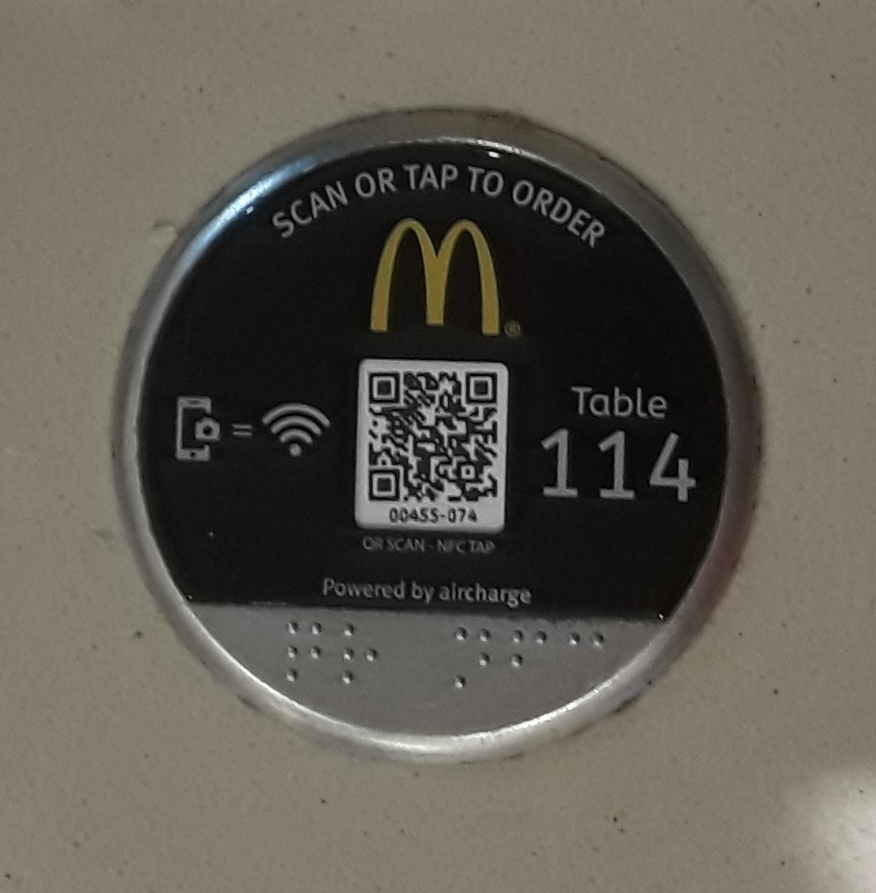
Don’t build an app before you have a reliable way to get customers to download and reopen it — a QR code on the receipt or a mention from staff isn’t enough on its own; plan a real launch push (email list, in-store signage, a first-order incentive) before you spend on development.
Don’t skip the ongoing cost conversation. Get clear, in writing, on who handles OS updates, bug fixes, app store renewals, and menu changes after launch, and what that costs per month or year — this recurring cost is often bigger over time than the initial build.
Don’t ignore your point-of-sale integration. An app that can’t sync orders, menu items, and 86’d items with your POS in real time creates more manual work for your staff, not less.
Don’t assume ‘more channels’ automatically means more profit. Every ordering channel (marketplace apps, your own app, your website, phone) needs someone accountable for keeping menus, prices, and hours consistent across all of them, or customers get frustrated fast.
Explore more: explore more app development guides.
restaurant mobile apps FAQs
How much does a restaurant app cost to build?
It varies widely by approach. A mobile ordering website addition is usually the least expensive option. A white-label branded app typically runs as a recurring monthly subscription rather than a big upfront project. A fully custom native app is the most expensive route, with costs scaling up based on features, integrations, and whether it’s built for one platform or both iOS and Android.
Is a mobile app better than a website for a restaurant?
Not necessarily. A mobile-friendly website reaches every customer instantly with no download required, which is why it’s usually the better starting point. An app can add value later through loyalty programs, push notifications, and a faster repeat-order experience, but only once you have enough regulars willing to download it.
Should I still use delivery marketplace apps if I build my own app?
Most restaurants keep using marketplace apps for discovery and new-customer reach while steering repeat customers toward their own app or ordering site, where there’s no per-order commission. Dropping marketplaces entirely usually means losing a channel that brings in customers who wouldn’t have found you otherwise.
Build It With GTStudios
Need help with your website, app, or small-business tech? GTStudios builds web, apps, and software for small businesses. See how GTStudios can help.
Photo: Ser Amantio di Nicolao / CC BY-SA 4.0, via Wikimedia Commons.