
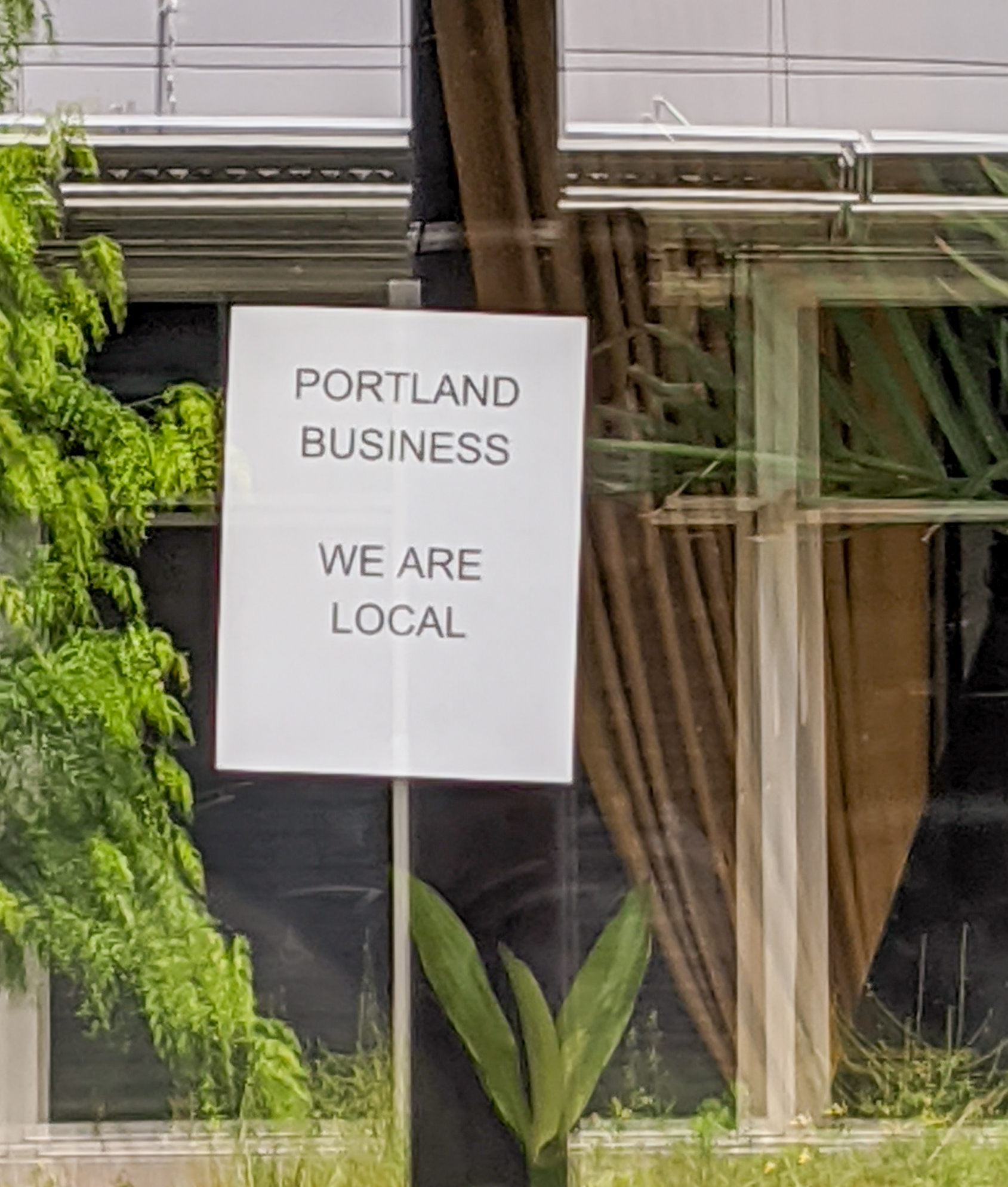
If you run a business that serves customers in a specific city or region — a dentist, a plumber, a coffee shop, a law firm — local SEO is how you show up when someone nearby searches for what you offer. It’s the difference between being the business that pops up in the map results with directions and reviews, and being invisible on page two while a competitor down the street gets the call.
Table of Contents
This guide breaks down what local SEO actually means, how Google decides which businesses to show for local searches, and the practical steps that move the needle — without the jargon or guesswork.
Quick Answer
Local SEO is the practice of optimizing your online presence so your business shows up in search results for people looking nearby — think the map with three business listings (‘the local pack’) that appears above regular search results for queries like ‘plumber near me’ or ‘coffee shop downtown.’ It centers on your Google Business Profile, consistent business information across the web, and customer reviews.
How Google Decides Who Shows Up
Google has publicly said local rankings come down to three factors: relevance, distance, and prominence. Relevance is how well your business matches what the searcher typed — a bakery shouldn’t rank for ‘auto repair.’ Distance is how close your business is to the searcher (or to the location they typed, like ‘near downtown Austin’). Prominence is a mix of how well-known and well-reviewed your business is, both online and off, including things like review count, review quality, and how complete and active your business listing is.
In practice, this means the businesses that show up in the map pack tend to have a fully filled-out Google Business Profile, a healthy number of recent reviews, consistent contact information across the web, and a website that clearly signals what they do and where they’re located.
When someone searches with local intent, Google typically shows a ‘local pack’ — a small map with three business listings — right above the regular organic results. Since most people don’t scroll past that, getting into it (or ranking high in the map app itself) is often the single biggest lever for a local business’s visibility.
The Core Building Blocks of Local SEO
Claim and complete your Google Business Profile. This free listing (accessible at google.com/business) is the foundation of local SEO — it’s what populates the map pack and Google Maps. Fill in every field: category, hours, phone number, website, service area, and photos. An incomplete profile is one of the easiest ways to lose to a competitor with a fuller one.
Keep your name, address, and phone number (NAP) consistent everywhere. Your business information should match exactly across your website, Google Business Profile, Yelp, Facebook, and any directory you’re listed in. Inconsistent addresses or phone numbers (a suite number here, missing there) confuse Google about which listing is authoritative and can quietly hurt rankings.
Earn and respond to reviews. Reviews are one of the strongest signals of prominence and trust. Ask satisfied customers directly (a simple text or email with a review link works well), and respond to reviews — good and bad — since it shows the business is active and engaged.
Build local citations and links. A citation is any online mention of your business name, address, and phone number — think Yelp, industry directories, local chamber of commerce sites, or news mentions. The more consistent, legitimate citations you have, the more Google trusts that your business is real and located where you say it is.
Optimize your website for local terms. Include your city or service area naturally in page titles, headers, and body copy (e.g., ‘Emergency Plumber in Denver’ rather than just ‘Emergency Plumber’). If you serve multiple areas, dedicated pages for each location or service area can help — as long as each page has genuinely unique, useful content rather than a copy-pasted template.
Add structured data and local content. Local business schema markup helps search engines understand your address, hours, and service area programmatically. Publishing content relevant to your area — a guide to a local event, a case study from a nearby project — also reinforces local relevance.

Tips and Common Mistakes
Don’t create multiple Google Business Profile listings for one location — it splits your reviews and signals and can get listings suspended. Stick to one verified profile per physical location.
Avoid keyword-stuffing your business name on Google Business Profile (e.g., ‘Joe’s Plumbing — Best Denver Emergency Plumber 24/7’). This violates Google’s guidelines and risks suspension; use your real, legal business name.
Don’t ignore mobile and page speed. Most local searches happen on phones, often from someone standing outside or in their car — a slow-loading site loses that customer before they even see your services.
Photos matter more than most businesses realize. Profiles with real, recent photos of the location, team, and work tend to earn more clicks and calls than those with none.
Local SEO is ongoing, not one-and-done. Rankings respond to fresh reviews, updated posts, and consistent activity — a profile you set up once and never touch will slowly lose ground to competitors who stay active.
Explore more: More web development guides.
Local SEO FAQs
Is local SEO different from regular SEO?
Yes. Regular SEO focuses on ranking a website for broad search terms, while local SEO specifically targets ‘near me’ and location-based searches, and relies heavily on your Google Business Profile, reviews, and local citations rather than just website content and backlinks.
How long does local SEO take to show results?
It varies by competition and starting point, but many businesses start seeing movement within a few weeks to a couple of months of completing their Google Business Profile and building consistent citations, with stronger results building over several months as reviews and content accumulate.
Do I need a website to rank in local search?
A website isn’t strictly required to appear in the Google Business Profile map pack, but it significantly helps — it gives Google more content to confirm relevance and gives customers a place to learn more, book, or buy, so most businesses see better results with one.
What’s the single most important thing for local SEO?
A fully completed, actively maintained Google Business Profile with accurate information and a steady stream of genuine customer reviews is generally the highest-impact starting point.
Build It With GTStudios
Need help with your website, app, or small-business tech? GTStudios builds web, apps, and software for small businesses. See how GTStudios can help.
Photo: Ted Timmons / CC BY-SA 4.0, via Wikimedia Commons.